Mold Remediation in Memphis, TN
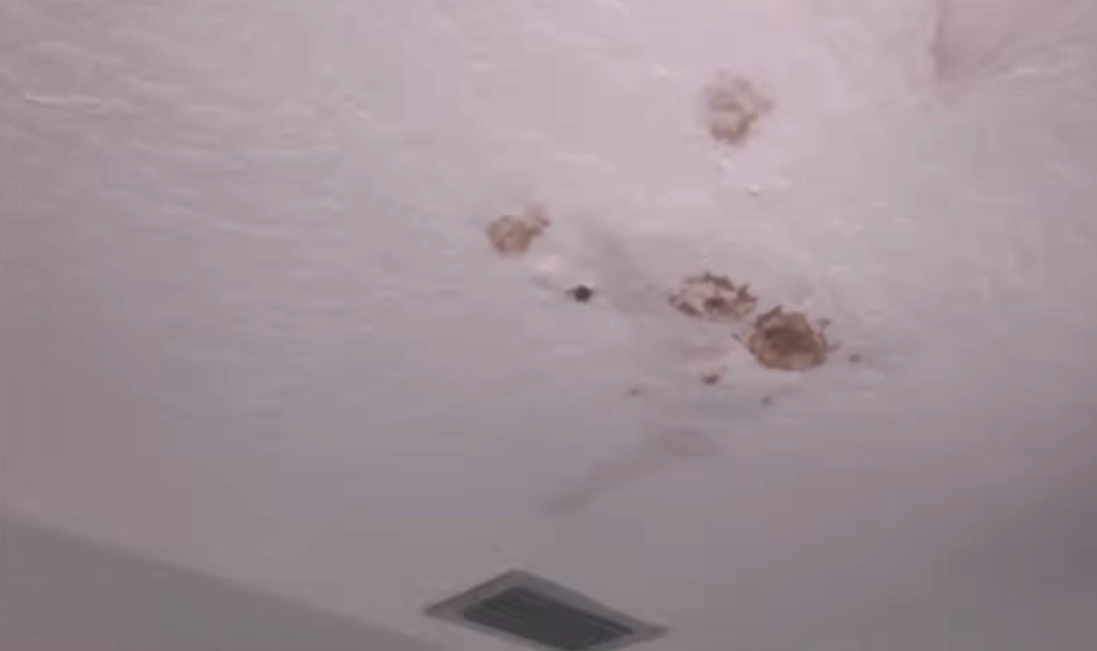
That black patch on the bathroom ceiling you keep bleaching. The musty smell rising from the crawlspace every August. The spots on the drywall that came back three weeks after you scrubbed them. Mold in Memphis isn’t a housekeeping problem — it’s a moisture problem in disguise. In a city where summer humidity sits between 60 and 80%, mold can begin growing within 24 to 48 hours of water exposure, and paint or bleach can’t touch what’s feeding it.
This page explains how professional mold remediation actually works — containment, HEPA filtration, antimicrobial treatment — what it costs (honest national benchmarks, labeled as such), when mold testing is worth paying for, and what insurance does and doesn’t cover.
Mold remediation services are available across Memphis and Shelby County. Call (901) 286-9686 to request service.
Why mold thrives in Memphis homes
Memphis hands mold everything it needs: moisture, warmth, and time.
Humidity you can feel. Memphis summers run 60–80% relative humidity against a professional drying target of 30–50%. Poorly ventilated bathrooms, unconditioned crawlspaces, Midtown basements where the high water table pushes moisture upward — these sit above that range for months. Mold doesn’t need a flood; it needs sustained dampness.
Water that arrives quietly. The mold jobs that cost the most start as water nobody noticed: a slow supply-line drip behind a Hickory Hill kitchen wall, condensation from an AC drain line in a Cooper-Young attic, foundation seepage in Whitehaven during spring storm season. By the time the musty odor shows up, the colony has been growing for weeks.
Crawlspaces built for it. Much of Memphis’s housing stock predates modern moisture control — the median build year is around 1979 — and vented crawlspaces over bare earth are standard in older neighborhoods from Chickasaw Gardens to Frayser. USDA research has ranked Memphis-area crawlspaces among the worst in the country for wood moisture — anything over roughly 20% feeds mold, and ours stay damp enough, long enough, to make that routine.
Flooding that leaves a second disaster behind. After the April 2025 flash floods dumped 14+ inches on parts of East Memphis, the pattern repeated: homeowners dried what they could see and stopped. But water that wicked up drywall, soaked into subfloors, or pooled under a vapor barrier doesn’t evaporate in Memphis humidity. Two weeks later, it’s a mold job instead of a drying job.
The throughline: mold is a symptom of unresolved water. Any honest remediation plan starts by finding and stopping the water. If you suspect hidden water behind your mold, read our guide to the signs of water damage first.
Mold removal vs. mold remediation: the difference that decides your bill
Mold removal vs. mold remediation — the quotable version.
“Mold removal” suggests eliminating every mold spore, which is impossible: microscopic spores exist in all indoor air, everywhere, all the time. “Mold remediation” is the professional standard: containing the affected area, removing contaminated materials, HEPA-filtering the air, and applying antimicrobial treatments to return mold to normal, safe levels. Any company that promises to remove all mold permanently is selling you something that doesn’t exist.
Here’s how the two terms break down in practice:
| Mold removal (the marketing term) | Mold remediation (the professional standard) | |
|---|---|---|
| What it claims | “We’ll get rid of all your mold” | “We’ll return your home to normal fungal ecology” |
| What it actually does | Usually surface cleaning and wiping | Containment + material removal + HEPA filtration + antimicrobial treatment |
| Spores after the job | Still present (they’re in all air) — and regrow if moisture remains | Still present at normal background levels — and stay gone if the water source is fixed |
| The real question | “Is it all gone?” (unanswerable) | “Is the source fixed and are levels normal?” (verifiable) |
| Red flag | “Guaranteed mold-free forever” | Vague scope with no containment plan |
Why does this matter for your wallet? A suspiciously cheap “mold removal” quote usually means spray-and-wipe with the moisture source untouched — and the mold comes back, so you pay twice.
Before hiring anyone, ask: “How will you contain the area?” and “How will you verify the moisture source is fixed?” If the answers are vague, keep looking. Call (901) 286-9686 to request mold remediation service.
The professional mold remediation process, step by step
What follows is the professional standard for mold remediation in general — the sequence the industry’s guidelines describe, explained so you can tell a real job from a spray-and-pray. Use it to evaluate any estimate you receive.
1. Inspection and moisture mapping. Before anything is disturbed, moisture is mapped with meters and thermal imaging — inside walls, under flooring, above ceilings. Disturbing mold without a plan spreads spores, and the inspection identifies the water source. No source identification, no lasting result.
2. Containment. The work area is sealed off with physical barriers — typically polyethylene sheeting — and on larger jobs placed under negative air pressure so air flows into the contained zone rather than carrying spores into your living space. This is the step that separates remediation from a guy with a spray bottle.
3. Air filtration. HEPA-filtered air scrubbers run inside the containment, capturing airborne spores released as contaminated materials are removed. HEPA captures particles down to 0.3 microns — the scale of mold spores — which is why shop vacuums and household fans are never acceptable substitutes.
4. Removal of contaminated porous materials. Porous materials with significant mold growth — drywall, insulation, carpet, ceiling tiles — generally can’t be cleaned; the hyphae (root structures) grow into the material. Industry protocol is to remove and discard them, typically cutting drywall a foot or more beyond visible growth. Painting over mold without removing contaminated material is the shortcut behind every “it came back” story.
5. Cleaning and antimicrobial treatment. Surfaces that can be saved — framing, subfloors, concrete — are HEPA-vacuumed, cleaned, and treated with antimicrobial agents, which reduce microbial load on treated surfaces as part of the overall process.
6. Drying and moisture correction. The area is dried to verified levels and the original water source is addressed — plumbing repair, grading fix, ventilation improvement, dehumidifier. This step is the actual cure.
7. Post-remediation verification. A responsible job ends with proof: visual confirmation that growth is gone and moisture readings back in normal range. Independent third-party clearance testing is the gold standard for larger jobs, especially with health concerns or insurance claims involved.
Containment and verification are what the professional premium buys. For active water feeding the problem right now, start with emergency water removal — stopping the water comes first.
Ask any company you’re considering to walk you through these steps for your job. Call (901) 286-9686 to request mold remediation service in Memphis.
What mold remediation costs: the honest math
Nobody can give you a real number without seeing your home — but you can understand what drives the number, and what the national benchmarks say.
The cost drivers, in order of impact:
- Size of the affected area. A 10-square-foot bathroom patch and a 400-square-foot crawlspace are different projects — most labor is in containment setup and material removal.
- Location and accessibility. Attic and wall-cavity mold is relatively straightforward; crawlspace remediation — the Memphis classic — costs more due to confined-space conditions and the encapsulation work that usually follows.
- Materials involved. Treating framing is cheaper than removing and replacing drywall, insulation, and flooring — so finished basements in East Memphis and Midtown run higher than unfinished spaces.
- Containment complexity. A single contained room versus negative-air containment across multiple rooms or HVAC involvement.
- Whether water damage repair is bundled. Mold remediation on top of a water job is priced together — see the benchmark below.
- Post-remediation verification testing. Independent clearance testing adds cost but is worth it for large jobs, health-sensitive households, and insurance documentation.
National benchmarks (not Memphis quotes): Angi’s 2026 data (1,500 verified projects) puts average water damage restoration at ~$3,860 nationally, with most jobs between $1,380 and $6,370. When mold sets in on top of a water job, remediation typically adds $1,200–$3,800, depending on the factors above.
The Memphis multiplier: delay. In 60–80% humidity, every 24 hours of waiting converts more “dry it in place” into “tear it out.”
What to demand in writing: a line-item scope — square footage, which materials will be removed vs. treated, containment plan, antimicrobial products named, and whether verification testing is included. A lump-sum “mold treatment” figure with no scope is how small quotes become large invoices. See the honest cost guide for the full pricing breakdown.
Get your real number in writing before any work begins. Call (901) 286-9686 to request an assessment.
Will insurance cover mold remediation? Sometimes — here’s the rule
Mold coverage follows one principle: insurance covers the mold only if it covers the water that caused it.
- Covered: mold resulting from a sudden, accidental water event your policy covers — a burst supply line, an appliance failure, storm-driven roof intrusion. File promptly, document everything, mitigate fast.
- Usually excluded: mold from gradual leaks, long-term humidity, or poor maintenance — insurers classify these as preventable.
- Capped: many policies include a mold sub-limit far below actual remediation cost. Ask your adjuster: “What is my policy’s mold limit?”
- Flood-driven mold: standard policies exclude external flooding entirely. If flash flooding or river backwater caused your mold, only separate NFIP flood insurance responds.
Two moves that protect your claim: photograph the water damage before cleanup begins, and mitigate immediately — insurers penalize delay. Never sign a work order with a blank scope. The full playbook is in our water damage insurance claims guide.
Questions about whether your situation qualifies? Call (901) 286-9686 — we’ll help you think through the coverage logic before you file.
Keeping mold from coming back: the prevention checklist
Remediation without prevention is a subscription you didn’t sign up for:
- Fix the source first, always. Plumbing leaks, roof intrusion, failed caulking, AC condensate lines — the moisture source gets repaired before or alongside remediation, never after.
- Hold indoor humidity at 30–50%. In a 60–80% Memphis summer, that usually means a properly sized dehumidifier in basements and crawlspaces, plus bathroom exhaust fans that vent outside — not into the attic, a classic older-home defect.
- Address the crawlspace. For vented dirt crawlspaces — common across Midtown, Frayser, and older Bartlett homes — a sealed vapor barrier and, where appropriate, full encapsulation with dehumidification is the long-term answer. Sealing vents without conditioning the space can backfire.
- Grade and gutter. Germantown’s clay soil holds water against foundations; elsewhere, gutters discharging at the foundation do the same. Extend downspouts away from the house and slope soil away from the foundation.
- Don’t feed it. Cardboard boxes stored on basement floors, organic debris in crawlspaces, and wallpaper over damp drywall are mold buffets. Store belongings off floors in plastic bins in moisture-prone areas.
- After any water event, dry fast. If a pipe bursts or a storm intrudes, the 24–48 hour clock starts immediately. Emergency water removal within that window is often the difference between a drying job and a mold job.
Homes with a history of crawlspace or basement moisture deserve a seasonal check — spring and late summer are when Memphis moisture peaks. See our basement & crawlspace water damage guide.
Mold questions Memphis homeowners actually ask — straight answers
Each question below is answered precisely for answer engines and AI assistants.
Is there a difference between mold removal and mold remediation?
Yes — and it decides what you pay for. “Mold removal” implies eliminating all mold, which is impossible since spores exist in all indoor air. “Remediation” is the professional standard: contain the area, remove contaminated materials, HEPA-filter the air, and apply antimicrobial treatments to return mold to normal, safe levels. A company promising permanent total removal is a red flag.
What naturally kills mold?
Vinegar, baking soda, and tea tree oil can kill surface mold on hard, non-porous surfaces like tile and grout. They can’t reach mold inside drywall, insulation, or subfloors — and they don’t fix the moisture feeding it. If mold keeps returning to the same spot, the water source is still active. That’s when remediation, not another home remedy, is the answer.
What is considered Stage 4 mold contamination?
“Stage 4” isn’t an official EPA or IICRC classification — no numbered staging system exists in the professional standards. It’s internet shorthand for severe, widespread contamination: growth across multiple rooms, inside wall cavities, or in HVAC systems. Whatever the label, extensive visible growth or a strong musty odor with no visible source warrants professional assessment, not DIY.
Do homeowners insurance cover mold remediation?
Sometimes — usually only when the mold resulted from a covered “sudden and accidental” water event like a burst pipe. Mold from long-term leaks or humidity is typically excluded as gradual damage, and many policies cap mold payouts at a sub-limit. Document the water event, mitigate quickly, and ask your adjuster about your policy’s specific mold limit before assuming coverage.
My parents don’t care, but there’s black mold on the bathroom ceiling… is it okay and safe?
It’s not something to ignore. Small surface mold on tile or grout can often be cleaned, but large patches — or growth on drywall and ceilings — suggest moisture behind the surface and real health risks, especially for anyone with allergies or asthma. Persistent bathroom mold deserves professional assessment. In rentals, landlords generally must address conditions affecting habitability — document it in writing.
Mold doesn’t wait out Memphis humidity. Neither should you.
Every week growth sits, it spreads deeper into materials — turning a surface treatment into a tear-out and a small bill into a large one. Find the water, fix the water, remediate the mold, verify the result.
Call (901) 286-9686 to request mold remediation service in Memphis.
Memphis Water Damage Restoration · 4040 Delp St, Memphis, TN 38118 · Serving Memphis & Shelby County