EMERGENCY LINE — MEMPHIS, TN
Water Damage Restoration in Memphis, TN
We extract the water, dry your home to the studs, and provide documentation for your insurance claim — work planned around IICRC S500 drying principles.
IICRC S500 drying principles Documentation for your insurance claim Serving Shelby County & the Mid-South
WE GET IT. WATER HAPPENS.
The water won’t wait. Neither should you.
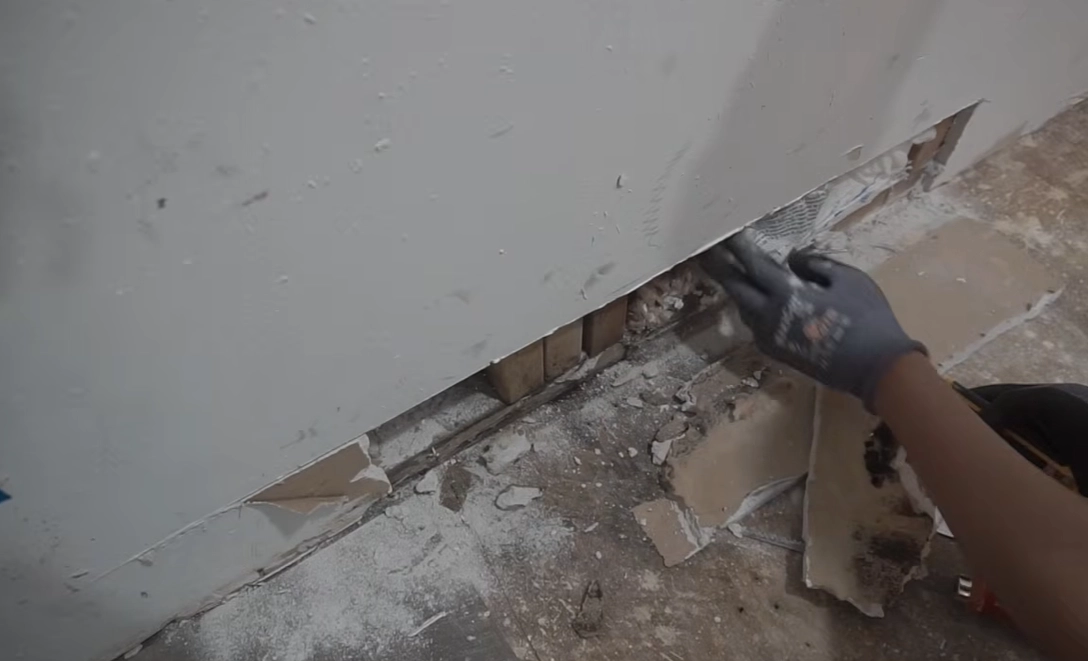
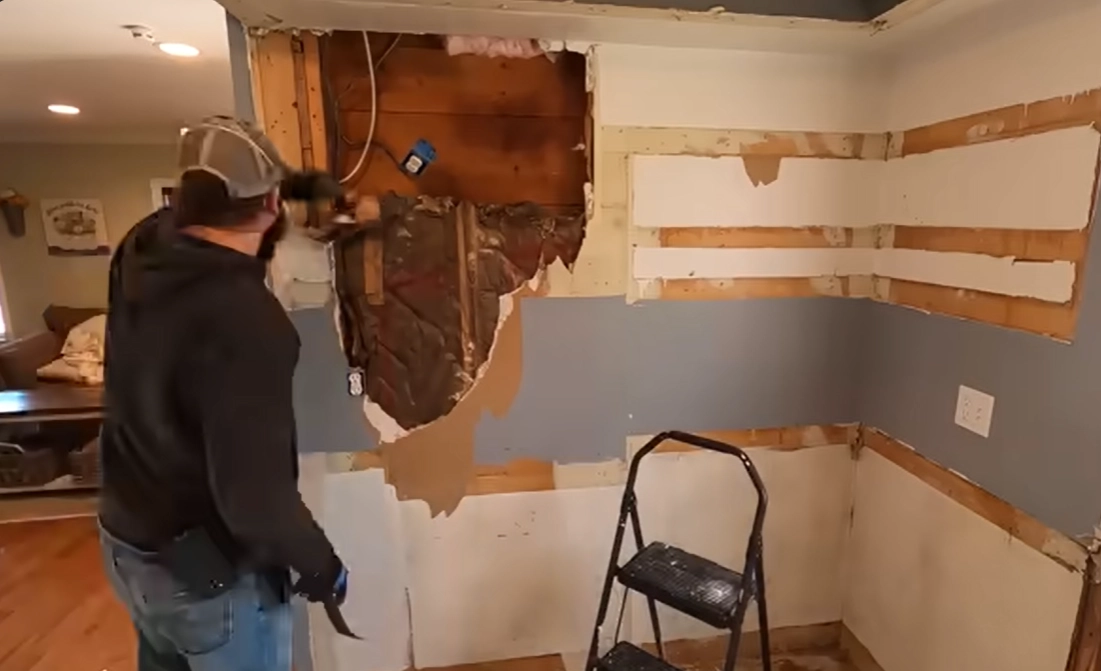
Every hour standing water sits in your home, the damage compounds. Drywall wicks it upward. Hardwood cups and buckles. And in Memphis — where summer humidity hangs between 60 and 80% — mold can take hold in 24 to 48 hours. Most homeowners we meet waited too long for one of three reasons: they hoped it would dry on its own, they feared the cost of calling, or they assumed insurance wouldn’t help. All three assumptions cost people thousands. Here’s the truth: water doesn’t dry on its own inside walls and subfloors. The cost of waiting dwarfs the cost of acting. And sudden water events — burst pipes, appliance failures, storm intrusion — are exactly what homeowners insurance is built for. If water is in your home right now, call (901) 286-9686. We’ll tell you honestly what’s urgent and what can wait — even if the answer means you don’t need us yet.
WHY MEMPHIS
Why Memphis homes take on water
Memphis doesn’t flood like other cities. It floods like Memphis — and that matters for how your home gets fixed. We’re wedged between the Mississippi River and a web of tributaries — the Wolf River, Nonconnah Creek, and the Loosahatchie River — that back up into neighborhoods when the big river runs high. In May 2011, it wasn’t just the Mississippi that did the damage: tributary backwater flooded roughly 3,000 properties across the metro. In April 2025, flash flooding dumped 14+ inches on East Memphis in days.
- Tributary backwater flooding — Wolf River, Nonconnah Creek & Loosahatchie back up when the Mississippi runs high.
- 55 inches of rain yearly across ~112 precipitation days — mostly violent spring & summer bursts.
- Clay soil & high water table — Germantown clay holds water at foundations; Midtown moisture pushes up through basements.
- Aging housing stock — median build year 1979, predating modern waterproofing; crawlspaces ranked among the nation’s worst.
- Freeze-burst pipes — February 2021 and January 2024 burst pipes across the Mid-South in a single night.
A restoration company that doesn’t know the difference between Nonconnah Creek backwater and a burst supply line will treat them the same. They’re not the same. We know which is which, because we’re from here.
4040 Delp St, Memphis, TN 38118 — serving Memphis neighborhoods.
OUR SERVICES
Water damage services in Memphis
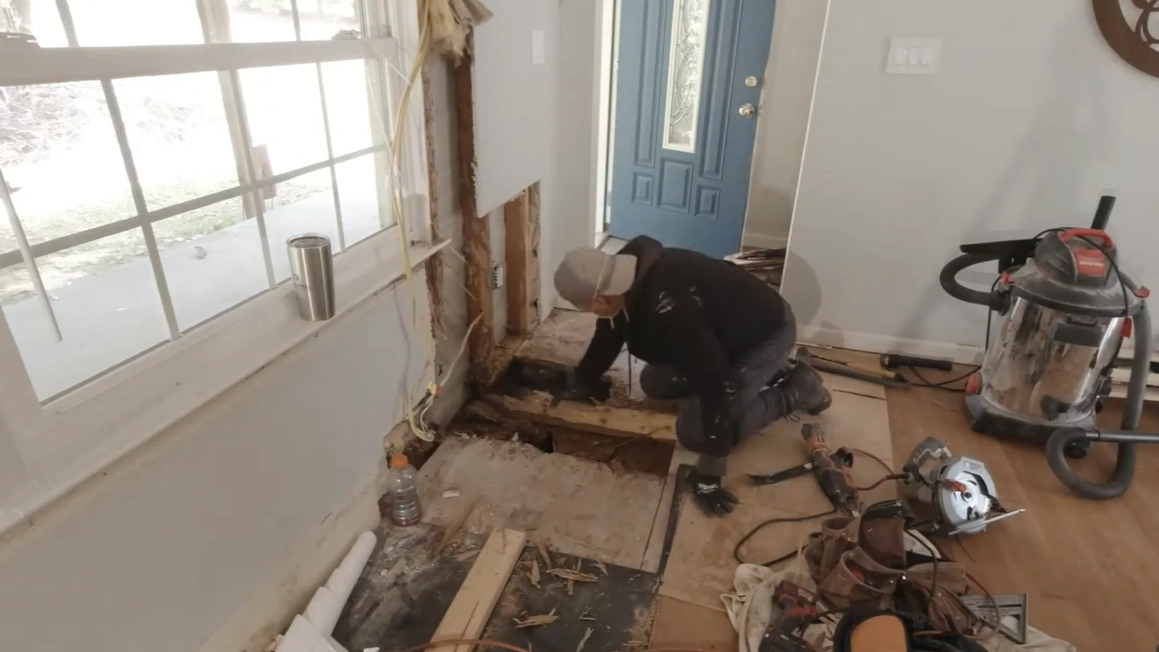
Emergency Water Extraction
Standing water removed fast with truck-mounted extraction and submersible pumps — the step everything else depends on. Available 24/7 across Shelby County.
Structural Drying & Dehumidification
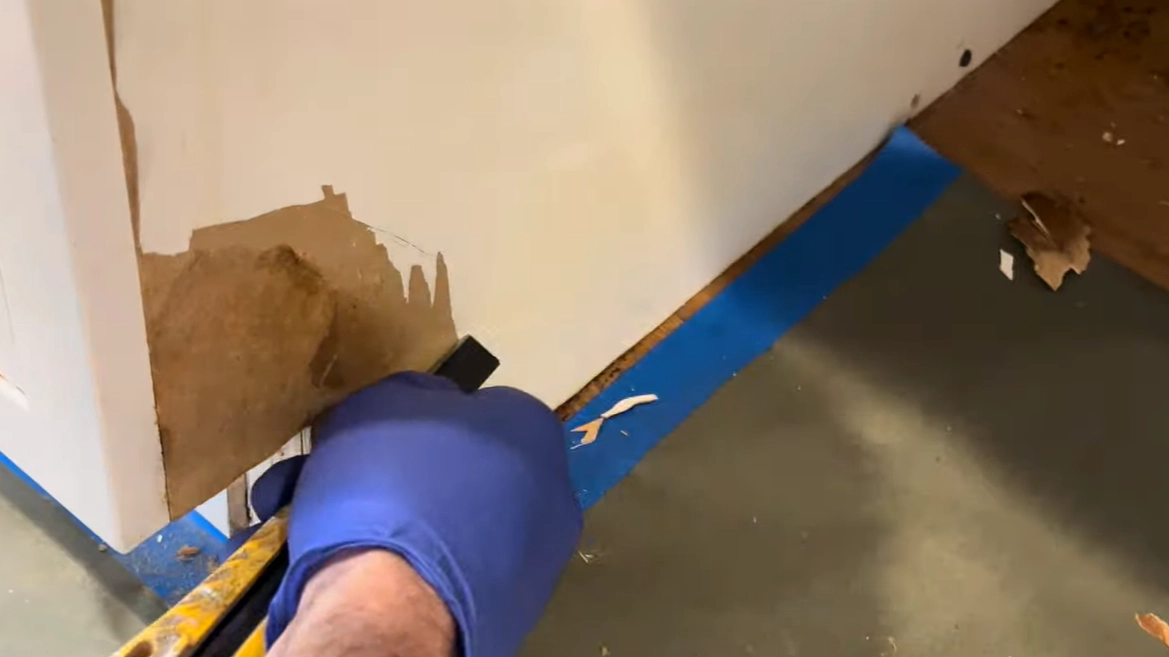
Walls, subfloors, and framing dried with industrial air movers, dehumidifiers, and moisture mapping — verified with moisture meters, not guesswork.
Mold Remediation
Containment, HEPA filtration, and antimicrobial treatment for mold that followed the water.
Sewage Backup Cleanup
Category 3 black-water cleanup done to protocol: extraction, disinfection, sanitizing, and safe disposal.
Flood & Storm Damage Restoration
From flash-flooded basements to storm-driven roof leaks. We document everything for your claim from the first visit.
Burst Pipe Cleanup
Freeze-burst and failed-supply-line cleanup coordinated with your plumber, not competing with them.
WHY CHOOSE US
Not all restoration companies are built the same
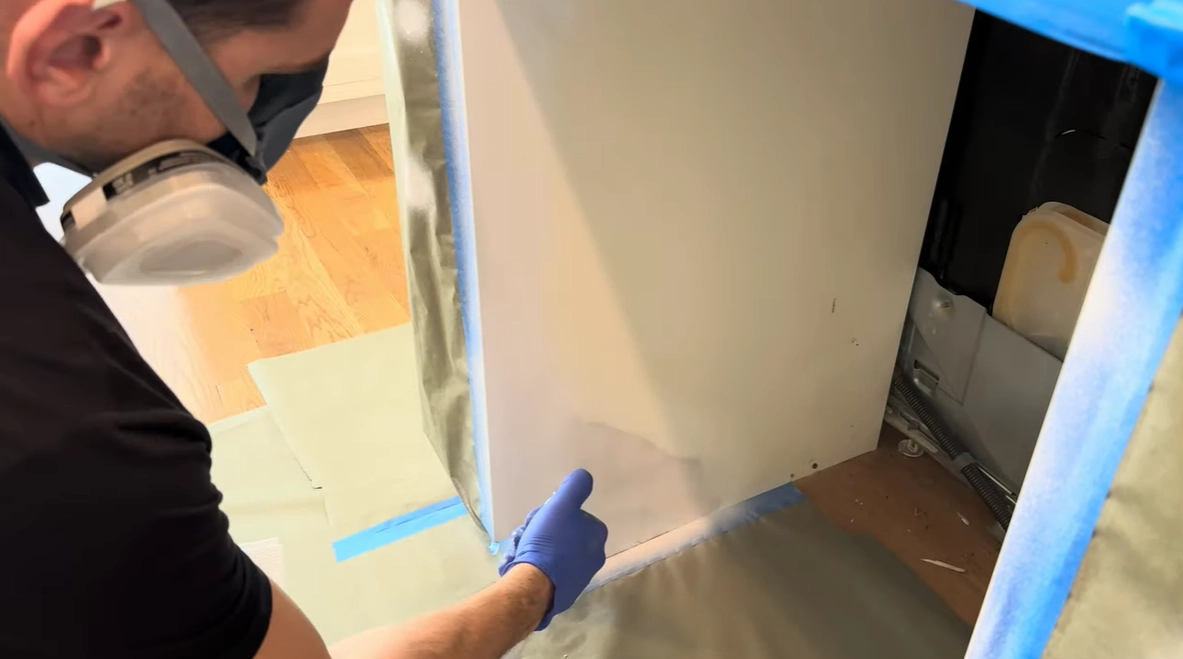
We don’t claim to be the cheapest. We claim to be the most honest about what your job actually needs — and to prove it in writing before we start.
Deep Memphis Know-How
Named waterways, dated flood events, neighborhood-specific risks — never a national template with your city swapped in.
Honest Pricing in Writing
Real ranges and real cost drivers before we start. No $149 service hooks that evaporate on arrival.
Insurance Fluency
We teach you the claims process: sudden vs. gradual damage, documentation, and adjuster scripts that work.
Proof, Not Promises
Moisture maps, drying logs, and before/after photos from your actual job — never stock photography.
| Our Memphis Team | National Franchise Outlets | Budget Template Sites | |
|---|---|---|---|
| Memphis flood knowledge | Named waterways, dated events (2011, April 2025), neighborhood-specific risks | City name swapped into a national template | Keyword lists, sometimes with wrong counties and ZIPs |
| Pricing | Honest cost guide — real ranges, real cost drivers, no gimmicks | No pricing published | “$149 service” hooks that evaporate on arrival |
| Insurance | Guidance on the claims process: sudden vs. gradual, documentation, adjuster scripts | “We work with your insurance” as a slogan | Barely mentioned |
| Proof of work | Documentation like moisture maps, drying logs, before/after photos | Stock photography | Stock photography |
| When you call | Memphis location: 4040 Delp St | A call center routing to whoever’s available | A number that may or may not pick up |
OUR PROCESS
Our restoration process — what happens after you call
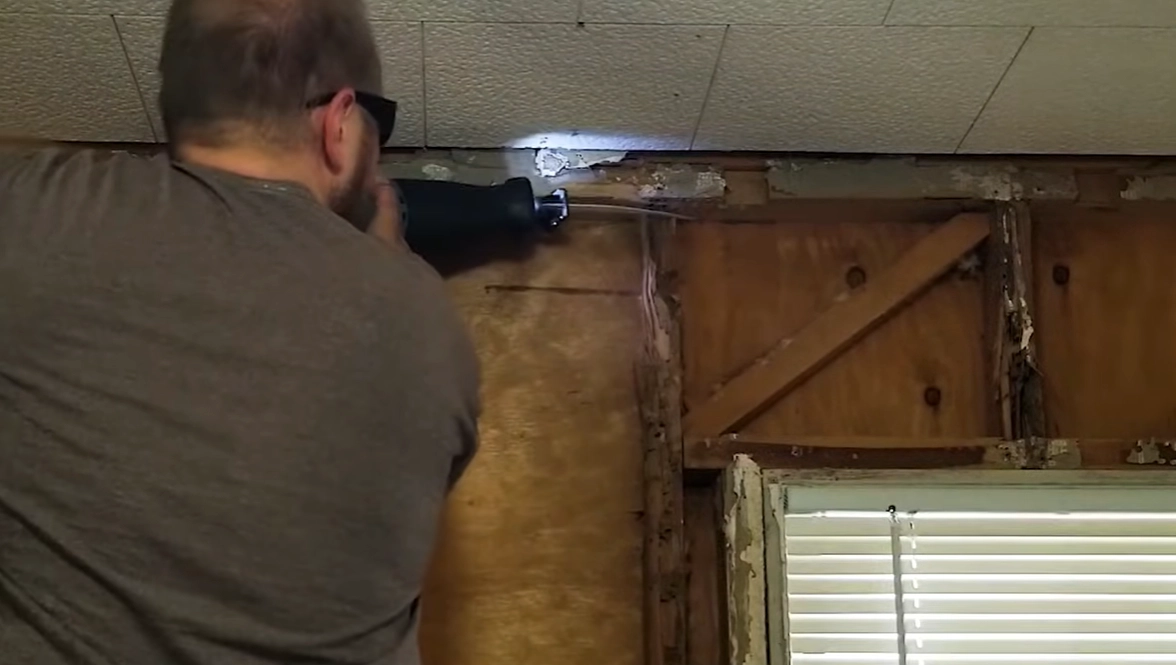
A guided journey from first call to finished restoration. Here is what happens at each step.
-
Inspection & moisture mapping
All the water gets found — not just the visible water. Thermal imaging and moisture meters locate hidden moisture behind walls and under floors.
What you get: A clear map of affected areas before work begins.
-
Water extraction
Standing water is removed with extraction equipment and submersible pumps. The faster the bulk water is out, the less damage spreads to dry areas.
What you get: Bulk water removed, preparing the space for drying.
-
Structural drying & dehumidification
Controlled airflow from air movers and dehumidifiers pulls moisture from drywall, framing, and subfloors over several days — not hours.
What you get: Moisture readings tracked until materials reach target dryness.
-
Cleaning & sanitizing
Cleaning matched to the water category: clean water gets dried; gray and black water require disinfection and removal of contaminated materials.
What you get: Surfaces cleaned and sanitized to the protocol for your water category.
-
Restoration & reconstruction
Drywall, flooring, paint, and finishes are rebuilt — the space returned to its pre-loss condition, ready to use again.
What you get: A finished space, rebuilt to pre-loss condition.
Every minute standing water sits, the damage compounds. Call (901) 286-9686 to discuss your situation and next steps.
COST & COVERAGE
What does water damage restoration cost in Memphis?
Typical cost benchmark
National benchmark for a typical water damage job. Your price depends on:
Will insurance cover it?
Usually covered
- Sudden burst pipes
- Appliance failures
- Storm intrusion
Usually not covered
- External flooding
- Groundwater seepage
Flood damage needs separate NFIP flood insurance.
SERVICE AREAS
Proudly serving Memphis & the Mid-South
Real pages for real neighborhoods — each one covers the local housing stock, the water risks, and what to do first.
Don't see your area? Call (901) 286-9686.
Memphis Water Damage Restoration
4040 Delp St, Memphis, TN 38118
(901) 286-9686
STRAIGHT ANSWERS
Memphis water damage questions — straight answers
1Where can I find water damage restoration services in Memphis?
Water damage restoration services are available across Memphis, Shelby County, and the Mid-South from 4040 Delp St, Memphis, TN 38118. Call (901) 286-9686 for emergency water extraction, structural drying, mold remediation, and sewage cleanup — ask about damage assessments and insurance billing options.
2How much is emergency water remediation?
Nationally, most homeowners pay $1,380–$6,370, averaging about $3,860 — but your job depends on water category, square footage, and materials. The only accurate number is a written on-site estimate — call (901) 286-9686 to request one.
3Will insurance pay for a flooded basement?
Usually not through standard homeowners insurance. Most policies cover sudden internal events like burst pipes but exclude external flooding and groundwater seepage — that requires separate NFIP flood insurance. Document everything from day one.
4What should I do if my basement is flooding?
Stay out of standing water if there’s any chance of electrical contact. Shut off electricity to the area if safe, stop the source if it’s a burst pipe (main shutoff valve), photograph everything for insurance, then call (901) 286-9686. Don’t wait for it to dry out — it won’t, inside walls and subfloors.
5Is it safe to live in a house with a flooded basement?
Often not until it’s professionally dried. Floodwater carries contaminants, standing water plus electricity is a shock hazard, and Memphis’s 60–80% summer humidity means mold can start within 24 to 48 hours. Get a professional moisture assessment before deciding to stay.
6How long does it take to dry a flooded basement?
Typically 3–5 days with professional equipment (industrial air movers and dehumidifiers), depending on water depth, materials, and humidity. Professional drying is verified with moisture meters and drying logs — proof, not a guess.
7Is there a difference between mold removal and mold remediation?
Yes. Mold removal suggests eliminating all mold, which is impossible — spores exist everywhere. Mold remediation is the professional standard: containing the area, removing contaminated materials, HEPA-filtering the air, and antimicrobial treatment to return mold to safe levels.
8What naturally kills mold?
Vinegar or baking soda can kill surface mold on hard, non-porous materials — but they don’t fix the moisture feeding it and can’t reach mold inside drywall or subfloors. If mold keeps coming back, the water source is still active and remediation is the answer.
9How much does it usually cost to fix a burst pipe?
Two bills: the plumber’s pipe repair (often a few hundred dollars) and the restoration (drying and rebuilding — usually larger). A fast-caught single-room Category 1 job benchmarks around $700–$2,000 nationally. Shutting off your main valve immediately saves thousands.
10What does water damage restoration include?
Five phases: inspection and moisture mapping, water extraction, structural drying and dehumidification, cleaning and sanitizing (category-aware), and restoration — rebuilding drywall, flooring, and finishes to pre-loss condition.
11How do I stop my basement from flooding in heavy rain?
Grade soil away from your foundation (critical in Germantown’s clay soil), keep gutters clear and extended away from the house, maintain a sump pump with battery backup, and consider a backwater valve. In Midtown’s high water table, interior drainage plus a sump pump is often the realistic answer.
12Who cleans up a sewage backup?
Professionals — always. Sewage is Category 3 black water carrying bacteria and viruses that household cleaners can’t reliably neutralize in porous materials. Professional cleanup means extraction, removal of contaminated materials, disinfection, and safe disposal — with documentation your insurer accepts.
EMERGENCY LINE
Water damage can’t wait.
Every hour standing water sits, the damage spreads — and the bill grows. Call now to talk through your situation and get clear next steps.
(901) 286-9686